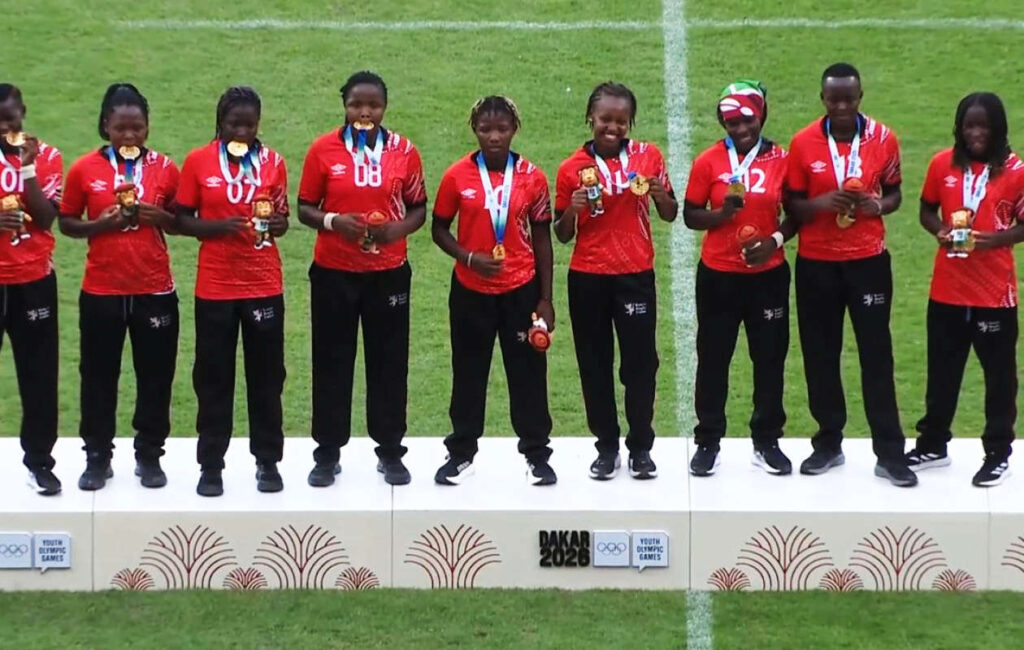

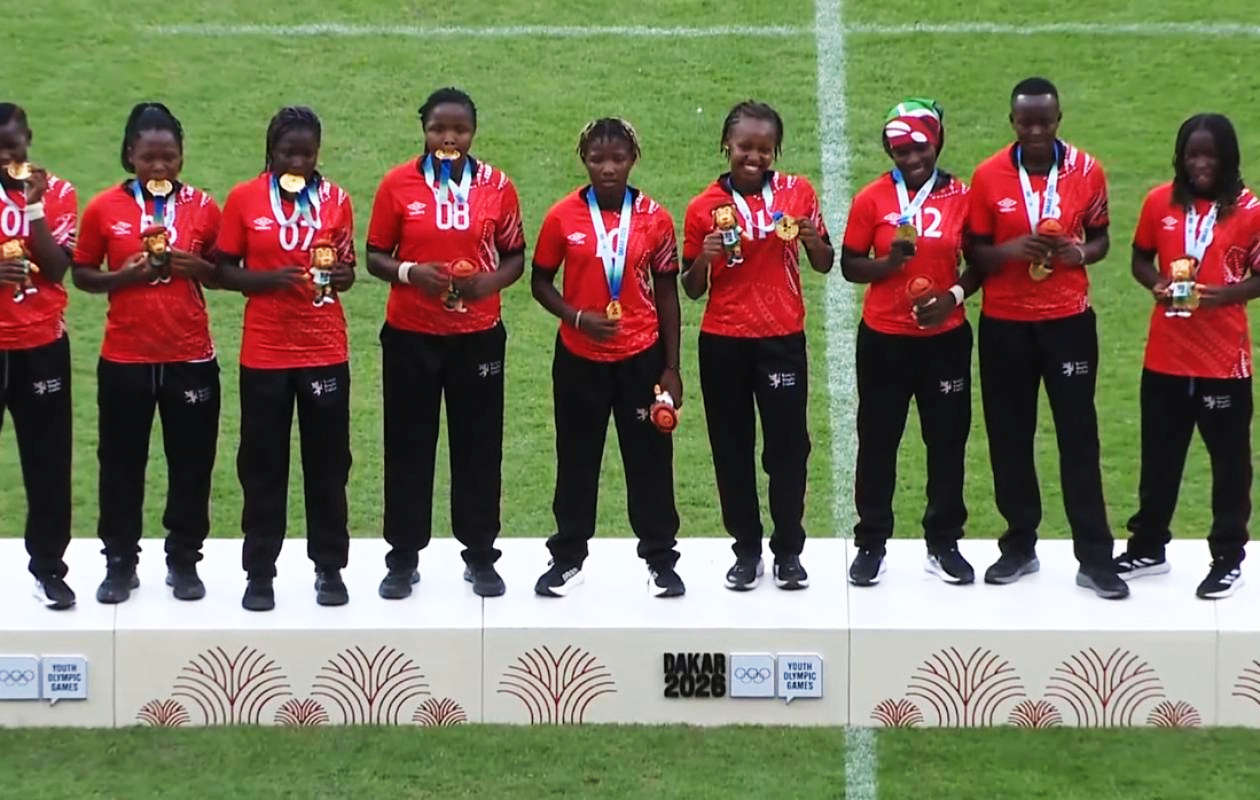
DAKAR. On 3 November, Kenya became the first African nation to win rugby sevens gold at either the Olympic Games or the Youth Olympic Games. Madagascar took bronze, its first-ever Olympic medal. Two African teams shared the women’s podium with Australia in Dakar, a sign of how far the game has come on the continent.
A final that went to extra time
For much of the final at the Iba Mar Diop complex, Australia looked set to win. Trailing 12–5, Kenya drew level on the final play of regulation time. Mitchelle Chemtai then scored the winning try in extra time to seal a 17–12 victory and the Youth Olympic title.
The win made history. No African nation had ever won rugby sevens gold in any category at either the Olympic Games or the Youth Olympic Games. For Kenya, already a leading presence in East African youth sport this year, it was a milestone in the history of the game.
Madagascar’s breakthrough
The Lady Makis were consistent throughout the tournament, losing only once, to Kenya in the semi-finals. They beat Czechia 26–10 in the third-place match to take bronze.
It was Madagascar’s first Olympic medal in any sport. The result rewarded the work that has gone into developing a new generation of players and brought Malagasy rugby more attention than ever before.
With two African nations on the podium, women’s rugby sevens on the continent reached a new level.
| Place | Team | Result |
| Gold | Kenya | Won the final 17–12 in extra time |
| Silver | Australia | Lost to Kenya in the final |
| Bronze | Madagascar | Beat Czechia 26–10 |
| 8th | Senegal | First appearance at this level |
How far Africa has come since Buenos Aires 2018
Eight years earlier, at the Buenos Aires 2018 Youth Olympic Games, Tunisia was Africa’s sole representative in women’s rugby sevens and finished sixth. In Dakar, two African teams reached the podium, finishing ahead of established international sides. The results show how the sport has grown beyond continental powerhouse South Africa and how several federations’ investment in developing players is paying off.
Senegal gain experience on home soil
The hosts finished eighth. Competing at this level for the first time, the Lioncelles saw how much ground they still have to make up against top teams and gained experience they can build on. It was a step forward for a country where the women’s game is still developing.
What comes next?
The results give African women’s rugby a higher profile and raise ambitions for future international competitions. With just days left in the first Youth Olympic Games held on African soil, they also show what the continent’s players can do when they have the opportunity to compete and the support to develop. Dakar 2026 marked a turning point for African women’s rugby.